

Regarding home entertainment, the way we consume television has evolved dramatically throughout the years. Classic cable and satellite services frequently include restrictions, steep fees, and a lack of flexibility that several modern viewers find undesirable. Enter IPTV, a revolutionary service which is changing the landscape of how we enjoy our favorite shows, movies, and live events. Thanks to its variety of advantages, switching to IPTV starts to appear more like a decision and more like a necessity for those desiring a better watch experience.
IPTV, or Internet Protocol Television, provides a multitude of benefits that simply cannot be matched by classic television platforms. Ranging from improved accessibility and cost savings to the option to customize viewing options, IPTV meets the demands of today’s active lifestyles. As an increasing number of people seek alternatives to conventional cable, grasping the key benefits of IPTV turns out to be important. Whether you are passionate about on-demand entertainment, sports, or just desire the convenience of streaming across multiple devices, IPTV offers something for everyone.
Best Pros of IPTV
One of the most significant advantages of IPTV is its versatility. Compared to traditional cable or satellite, IPTV allows viewers to stream content on different devices, such as smartphones, tablets, smart TVs, and laptops. This allows that you can enjoy your favorite shows and movies anytime, whether you are at home or traveling. With the ability to access content on different platforms, IPTV caters to the ever more mobile lifestyle of modern viewers.
Another, an important benefit of IPTV is the cost savings it offers. Many IPTV services provide a large variety of channels and on-demand content at a small part of the price of traditional cable packages. This affordability creates it an appealing option for families and individuals who want to access high-quality entertainment without breaking the bank. Additionally, with no hidden fees or binding contracts, IPTV provides straightforward pricing that is often less expensive.
In addition, IPTV enhances the viewing by offering a variety of interactive features and content customization options. Viewers can pick specific shows or movies to watch, utilize a library of on-demand content, and even utilize pause and rewind functions. This level of control over content not only enhances viewing more pleasurable but also provides a personalized entertainment experience. With IPTV, you are not constrained to scheduled programming, offering you the flexibility to choose what to watch and when to watch it.
Internet Protocol Television vs Traditional TV
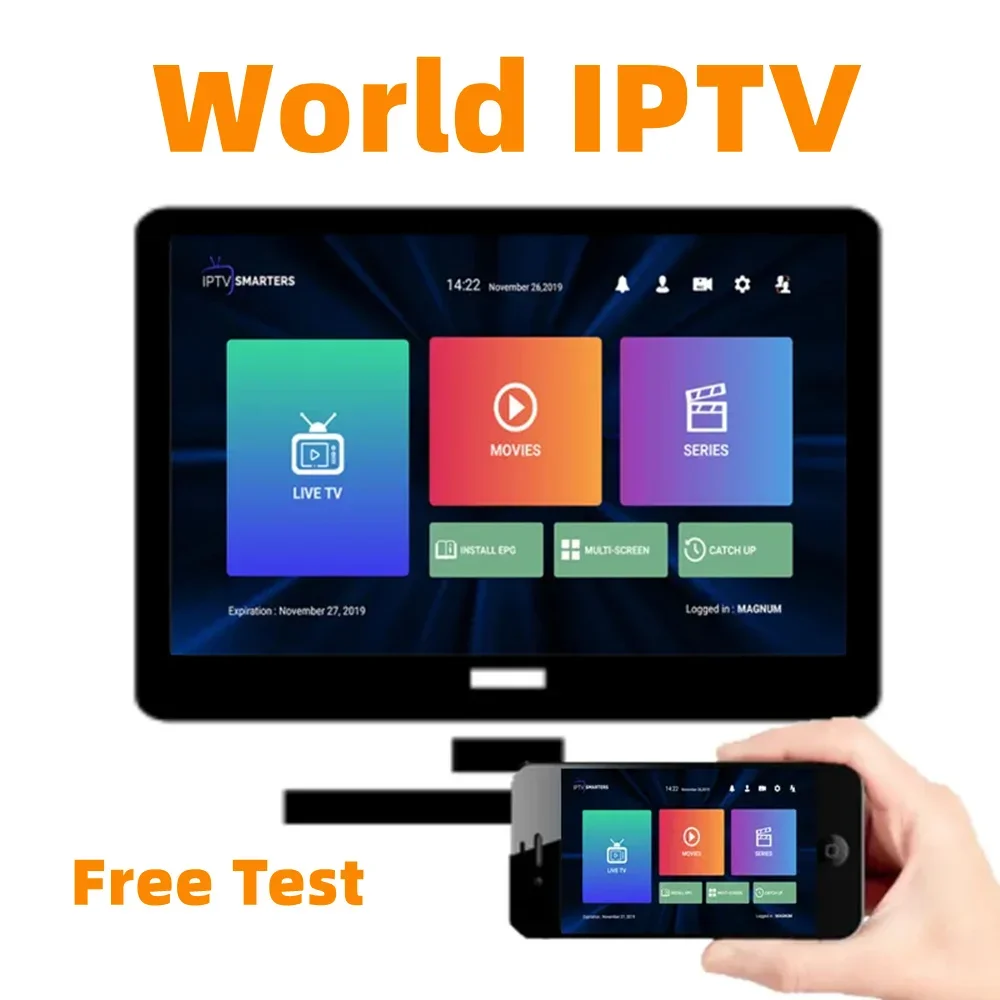
When comparing IPTV to traditional TV, a major difference lies in how content is delivered. Traditional cable and satellite television depend on a set number of channels and programming that are broadcast over the airwaves or through cables. In contrast, IPTV utilizes online connectivity to stream content directly to viewers’ devices, allowing for a highly personalized and flexible viewing experience. This shift not only enhances convenience but also provides a broader range of content options that often go beyond what cable and satellite television provides.
Another advantage of IPTV is the level of interactivity it offers. With IPTV, viewers have the ability to pause, rewind, and fast-forward content, which is often restricted with traditional broadcasting. Moreover, many IPTV services provide personalized viewing experiences, allowing users to choose their preferred channels and integrate multiple devices for easy access. This flexibility means that viewers are no longer tied to rigid broadcasting schedules and can watch shows and movies when it suits them.
Cost is also a key factor between IPTV and cable and satellite television. Cable TV packages can come with high monthly fees, hidden costs, and long-term contracts. Internet Protocol Television services, on the other hand, typically offer competitive pricing and a range of packages to meet different budgets. Many providers of IPTV also boast no contract requirements, allowing users to cancel or change their service as needed. This cost-effectiveness combined with options for flexible viewing makes Internet Protocol Television an attractive alternative for those looking to save money while enjoying diverse entertainment options.
The Future of Television
As technology continues to evolve, IPTV is establishing itself as the bedrock of upcoming home entertainment. Unlike traditional broadcasting methods, IPTV utilizes internet networks to distribute content, offering unparalleled flexibility and customization for viewers. This transformation not only facilitates for on-demand access to a vast collection of programming but also enables the integration of interactive features that enhance the complete viewing experience. With users increasingly leaning towards tailored content, IPTV emerges as a platform that caters to individual choices and viewing habits.
Furthermore, the ability to watch high-quality content on multiple platforms has made IPTV an attractive option for modern households. Users can watch their favorite shows and events on mobile devices, iPads, television sets, and computers, providing exceptional convenience for busy lifestyles. This multi-device accessibility encourages families and individuals to interact with content in ways that fit their daily routines, further reinforcing the role of IPTV in everyday entertainment usage.
Looking ahead, IPTV is set to play a pivotal role in the evolution of television. As site web becomes more prevalent, traditional cable TV services are being forced to adapt or risk obsolescence. IPTV offers a more cost-effective solution, eliminating the need for cumbersome hardware and subscription models that limit viewer choice. With its focus on delivering exceptional quality, diverse programming, and interactive functionalities, IPTV is not just a passing fad but a core shift that defines the future of how we consume visual media.